
2027 Grant Recipients

Celebrating Excellence in Patient-Focused Research

Our 2027 grant recipients are leading innovative, patient-focused research across the St Vincent’s Sydney Health Innovation Precinct. From clinician-led projects driving clinical excellence to multidisciplinary grants led by nurses and allied health professionals, these grants support diverse ideas with real impact.

Congratulations to all recipients – your work is shaping the future of patient care.

Every dollar we receive is directed to our grants, and it is through the generosity of our donors that this important research is possible.
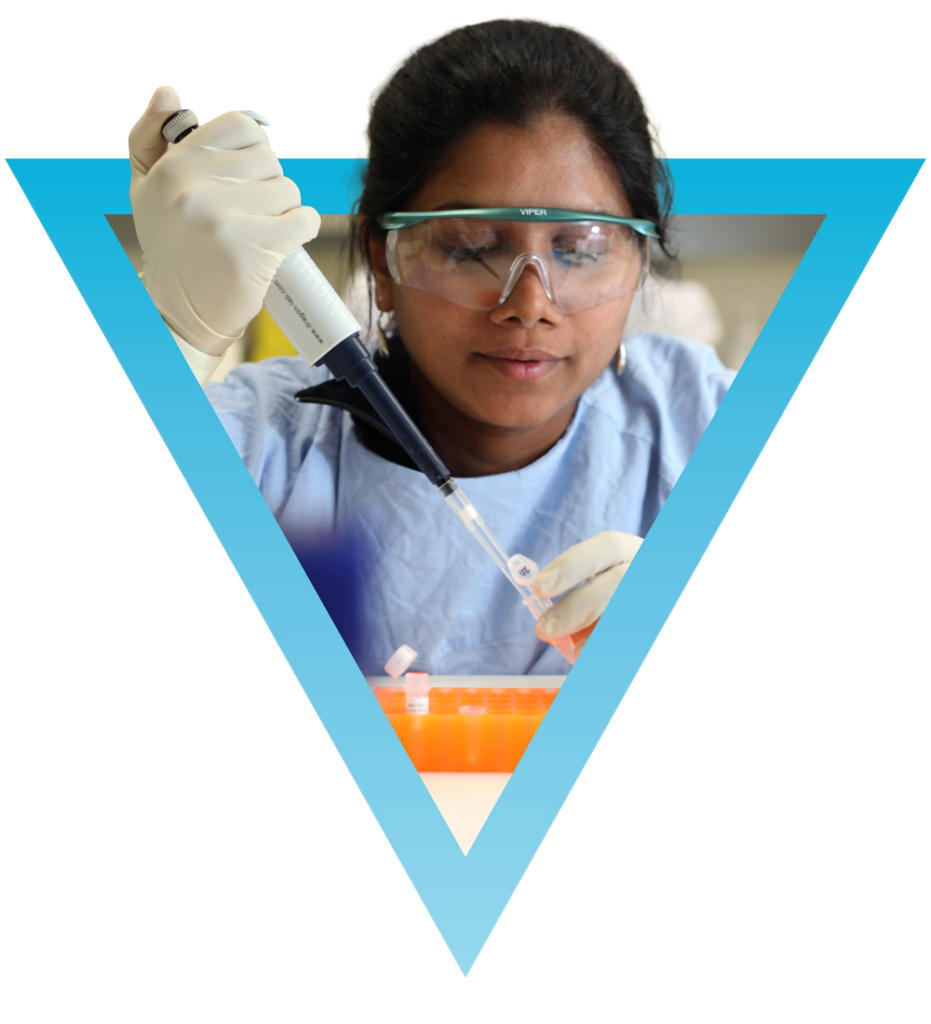

Championing
those who are

unlocking medical breakthroughs

We passionately believe that high-quality research underpins high-quality clinical care, so we provide funding and support for medical research across St Vincent’s Darlinghurst campus.

Dr David Herrmann

Garvan Institute of Medical Research

De Angeli Research Grant (3yrs) – $300,0000

“Targeting pancreatic cancer progression with new treatment approaches”

Pancreatic cancer (PC) remains one of the most difficult cancers to treat, with a five-year survival rate of just 13%, falling to 3% when the cancer has spread. Treatment still relies heavily on conventional chemotherapy, which PC can adapt to and become resistant to, highlighting the urgent need for new treatment approaches.

Using innovative TRAP-seq sequencing technology, we have discovered a novel driver of PC progression and spread. This grant will enable us to use cutting-edge imaging of treatment responses in live tumours and advanced PC models to target this driver in combination with the KRAS inhibitor daraxonrasib, aiming to slow disease progression and improve outcomes.

Dr Marija Dinevska

Garvan Institute of Medical Research

Sr Mary Bernice, Packer Family Foundation Research Grant – $120,000

“Improving CAR T-cell therapy for prostate cancer by targeting surrounding tissue”

Prostate cancer is the most diagnosed cancer in Australia. While early-stage disease can be curable, when it stops responding to treatment and spreads, patients have few options remaining.

CAR T-cell therapy modifies a patient’s own immune cells to destroy cancer but has had limited success in solid cancers such as prostate cancer, where dense scar tissue can restrict CAR T-cell entry.

To overcome this barrier, we will now use a drug designed to break down scar tissue and advanced live imaging to improve CAR T-cell entry and treatment response.

Prof Jerry Greenfield

Victor Chang Cardiac Research Institute

Annual Research Grant – $100,000

“Effect of low-dose tirzepatide in lean people with type 1 diabetes”

People with type 1 diabetes (T1D) have an increased risk of heart disease, including those who are not overweight or obese. This risk remains despite treatment of high glucose, cholesterol and blood pressure. Insulin resistance, normally associated with type 2 diabetes, may contribute to this increased risk.

We have demonstrated that people with T1D can experience insulin resistance even without overweight or obesity, requiring higher daily insulin doses and potentially worsening cholesterol and blood pressure.

This study will determine whether low-dose tirzepatide, a drug shown to reduce heart disease risk, can reduce daily insulin requirements and improve insulin resistance in lean people with T1D.

Dr Braydon Meyer

Garvan Institute of Medical Research

Annual Research Grant – $100,000

“Improving Immunotherapy Response in Triple-Negative Breast Cancer Using Epigenetic Therapy“

Triple-negative breast cancer (TNBC) is an aggressive form of breast cancer with limited targeted treatment options. While immunotherapy has revolutionised cancer treatment, its effectiveness in TNBC remains limited, with resistance a major clinical challenge.

This project will combine an epigenetic therapy called decitabine with standard chemotherapy and immunotherapy. We believe decitabine can reactivate genes needed for immunotherapy to work and recruit immune cells to the tumour, improving treatment response.

Using immunotherapy-resistant models and advanced single-cell analysis, we will investigate how decitabine improves treatment response, with the aim of developing a new strategy to overcome immunotherapy resistance and improve outcomes for patients with aggressive breast cancer.

Dr James Nadel

St Vincent’s Health Network Sydney

Annual Research Grant – $50,000

“A new approach for aortic assessment by cardiovascular magnetic resonance imaging”

The aorta is the body’s largest blood vessel, carrying blood from the heart to every organ. In some people, its wall weakens and bulges, causing a thoracic aortic aneurysm (TAA).

If an aneurysm tears or bursts, it is often fatal, with over half of patients dying before reaching hospital. Current guidelines recommend preventive surgery based on aortic size, but most tears occur below this threshold.

This project will test a new MRI scan that looks beyond size by measuring how stiff or stretchy the aortic wall is, how blood flows through it, and whether the wall is diseased, helping identify high-risk patients earlier.

Dr Sandy Stayte

St Vincent’s Health Network Sydney 

Annual Research Grant – $50,000

“A new treatment approach for Alzheimer’s disease”

Alzheimer’s disease is the most common form of dementia. Despite decades of research, treatments targeting amyloid protein deposits have had limited success in restoring memory and cognitive function.

Interestingly, some people have high levels of amyloid in their brain yet remain protected from memory loss. Researchers have discovered that these “resilient” individuals have increased levels of two specific molecules that may help maintain brain function. Our lab has shown that existing medicines combined with novel drug compounds can increase these protective molecules.

This project will test a new drug formulation to increase these molecules in the brain and assess whether this approach can improve memory and cognition.

Dr Hannah Hu

St Vincent’s Health Network Sydney

Annual Research Grant – $50,000

“Identifying immune cell markers that predict serious inflammatory complications in patients with common variable immunodeficiency”

Common variable immunodeficiency (CVID) is the most common immune deficiency condition worldwide. About half of patients develop serious complications in which the immune system attacks the body, causing blood disorders, bowel inflammation and lung disease. These complications carry an eleven-fold higher risk of death, yet there is no test to identify which patients will develop them.

Research shows these patients have unusually high activity of immune signalling proteins called interferons. This project will test whether flow cytometry, a simple and widely used test, can detect this activity. Our aim is to develop a practical pathology test to identify at-risk patients and enable earlier, targeted treatment.

Dr Darren Korbie

Garvan Institute of Medical Research

Annual Research Grant – $50,000

“Circulating Signals: Detection of Breast Cancer Recurrence From a Blood Sample”

One in seven Australian women will be diagnosed with breast cancer by their 60th birthday, and 30% will have their cancer return within five years. Detecting recurrence early, before symptoms appear, can improve survival.

Recent research has shown the benefit of monitoring cancer recurrence by testing blood for cancer DNA fragments. However, this method cannot be used for 40% of patients because their cancer lacks the necessary mutations.

Our team has developed a new blood test applicable to all breast cancer patients that detects cancer-specific chemical signals. We will assess the test in 150 high-risk patients, helping progress it towards routine clinical practice.

A/Prof Megan Barnet

Garvan Institute of Medical Research

Colorectal Cancer Grant – $100,000 

“Harnessing novel technologies to understand drivers of colorectal cancer in people under 50yrs”

Early-onset colorectal cancer (EOCRC), diagnosed before age 50, is rising globally, with Australia reporting the highest incidence worldwide and diagnoses increasing by 2.8% annually. Evidence suggests EOCRC is biologically distinct from later-onset disease, yet treatments are largely based on older populations.

Possible drivers include genetic predisposition and lifestyle changes that alter the trillions of bacteria in our gut, known as the microbiome, which also influences our immune system.

Using powerful new technologies to analyse cancer and gut tissue from younger and older patients and healthy samples, we aim to identify the unique biological changes driving EOCRC and inform disease-specific prevention and treatment strategies.

Dr Heloisa Zaccaron Milioli

Garvan Institute of Medical Research

Thelma Greig Cancer Grant – $50,000

“Predicting chemotherapy response in triple-negative breast cancer”

Triple-negative breast cancer is one of the most aggressive types of breast cancer and often affects younger women. There are no targeted treatments, and one in three patients do not respond to chemotherapy, making it important to identify these patients before treatment begins.

Our research found that drugs blocking a protein called the androgen receptor can improve chemotherapy response. We also discovered that where this protein sits within tumour cells may predict which patients will not respond to chemotherapy.

This project will confirm this finding in a larger group of patients. If successful, this simple test could help guide treatment approaches and improve outcomes for women with triple-negative breast cancer.

Dr Etienne Masle-Farquhar

Garvan Institute of Medical Research

Arthritis & Musculoskeletal Grant – $25,000

“Do common DNA changes acquired with age contribute to osteoarthritis joint inflammation?”

Osteoarthritis (OA) affects over 600 million people worldwide. There are currently no OA-specific drugs that modify the disease or biomarkers to predict its severity, and one in three people with knee OA require a knee replacement.

Our research will investigate whether age-related DNA changes in blood cells, known as Clonal Hematopoiesis of Indeterminate Potential (CHIP), play a role in OA. We hypothesise that CHIP-mutant cells accumulate within OA joints and are associated with increased inflammation.

Using our extensive collection of clinical data and tissue samples from people with OA, we will investigate this link and its potential significance for understanding and treating the disease.

Dr Anne Vuong

St Vincent’s Health Network Sydney 

Medical Imaging Grant – $25,000

“Quantifying the Dynamic Interaction between the Heart and Blood Vessel under Stress Conditions in Heart Failure Patients”

Approximately half a million Australians live with heart failure, which has two distinct types: a “weak” heart that struggles to pump, or a “stiff” heart that struggles to fill with blood. Both result in poor outcomes and require different treatments.

How the heart interacts with the arterial system in these conditions remains poorly understood, particularly during activity or exercise. Understanding these changes may help explain why people with heart failure often feel unwell or breathless during everyday activities.

This study will combine advanced heart imaging with non-invasive blood pressure recordings to better understand what drives poor heart function and help clinicians make more informed, personalised treatment decisions.

Mr Karim Ibrahim

St Vincent’s Health Network Sydney 

Multidisciplinary Research Grant – $25,000

“Personalising Ruxolitinib Treatment for Graft-versus-Host Disease”

Ruxolitinib (Jakavi®) is the only TGA-approved second-line treatment for steroid-refractory graft-versus-host disease (GvHD), a serious complication of bone marrow transplantation where donor immune cells attack the recipient’s organs. However, fewer than two-thirds of patients respond, and some experience significant side effects. One reason is that ruxolitinib blood levels can vary substantially between patients receiving the same dose, affecting both safety and effectiveness. This study will measure ruxolitinib levels alongside treatment response and side effects in patients at St Vincent’s Hospital Sydney. The findings will provide the first Australian data to help guide safer, more personalised dosing for patients receiving ruxolitinib.

Dr Kelly Coughlan

St Vincent’s Health Network Sydney 

Multidisciplinary Research Grant – $25,000

“Identifying and improving management of frailty in people with stroke”

Frailty is a syndrome where the body becomes less able to cope with illness or stress. It increases the risk of death, longer hospital stays, readmissions and poor recovery. Despite international guidelines recommending frailty assessment, it is not consistently used in stroke care, which can lead to missed opportunities for better outcomes.

This study will investigate how common frailty is in stroke patients at St Vincent’s Hospital Sydney and identify an appropriate assessment tool. Stroke clinicians and people with lived experience will then co-design a management plan to identify frailty early and provide targeted support to improve stroke patient recovery.


Ms Kate Makroglou

St Vincent’s Health Network Sydney 

Multidisciplinary Research Grant – $25,000

“Improving communication and patient experience in stroke rehabilitation“

Stroke rehabilitation can be a long and challenging journey. After a stroke, people work with many health professionals to relearn skills and adapt to life after a major health event. However, patients are not always given opportunities to work in partnership with their rehabilitation team, making it harder to understand their care, participate in decisions and feel confident managing their recovery.

This project will develop and test a dedicated key worker model in stroke rehabilitation. The key worker will help patients navigate rehabilitation, coordinate care and build confidence, with the aim of improving patient involvement, experience and preparation for life after discharge.