Share
Heart and lung transplant recipients face many ongoing medical challenges. One of the most common and often unexpected is diabetes after transplant. Up to half of patients will develop diabetes or pre-diabetes following their surgery, which can quietly damage vital organs including the newly transplanted heart or lungs. Early detection is essential, yet the current gold standard test requires fasting, drinking a glucose solution and having multiple blood samples taken over several hours. For people who already attend frequent appointments this process can be uncomfortable and disruptive.
With support from the St Vincent’s Clinic Research Foundation and her clinical supervisor Dr Chris Muir, Transitional Nurse Practitioner Gabriela Abrahamson is leading a study that could make diabetes screening far easier. Her research team is testing whether a small wearable device called a continuous glucose monitor can accurately detect diabetes in St Vincent’s Hospital Sydney heart and lung transplant patients. Instead of repeated blood tests, the sensor sits on the skin and records glucose levels continuously for fifteen days, offering a detailed picture of real-life glucose patterns.
More than twenty participants have already completed both the traditional glucose tolerance test and the continuous glucose monitoring period. Early findings are significant. Over twenty percent of participants who were believed to be free from diabetes were diagnosed with either diabetes or pre-diabetes once formally tested. This meant clinicians could step in early with lifestyle advice or medication, improving long-term health and protecting transplanted organs. Recruitment is progressing toward a final cohort of one hundred participants, with full analysis expected in 2026.
If continuous glucose monitoring proves accurate, it could become a more comfortable, accessible and cost-effective alternative to traditional testing. Most importantly, it could lead to earlier diagnosis and more personalised care for people who have already undergone life-saving transplant surgery.
This project also highlights the value of our multidisciplinary grants, which empower allied health professionals, including nurse led research teams, to drive meaningful improvements in patient care. Research like this strengthens the entire St Vincent’s Precinct and helps ensure our community continues to benefit from innovation grounded in compassion and clinical excellence.
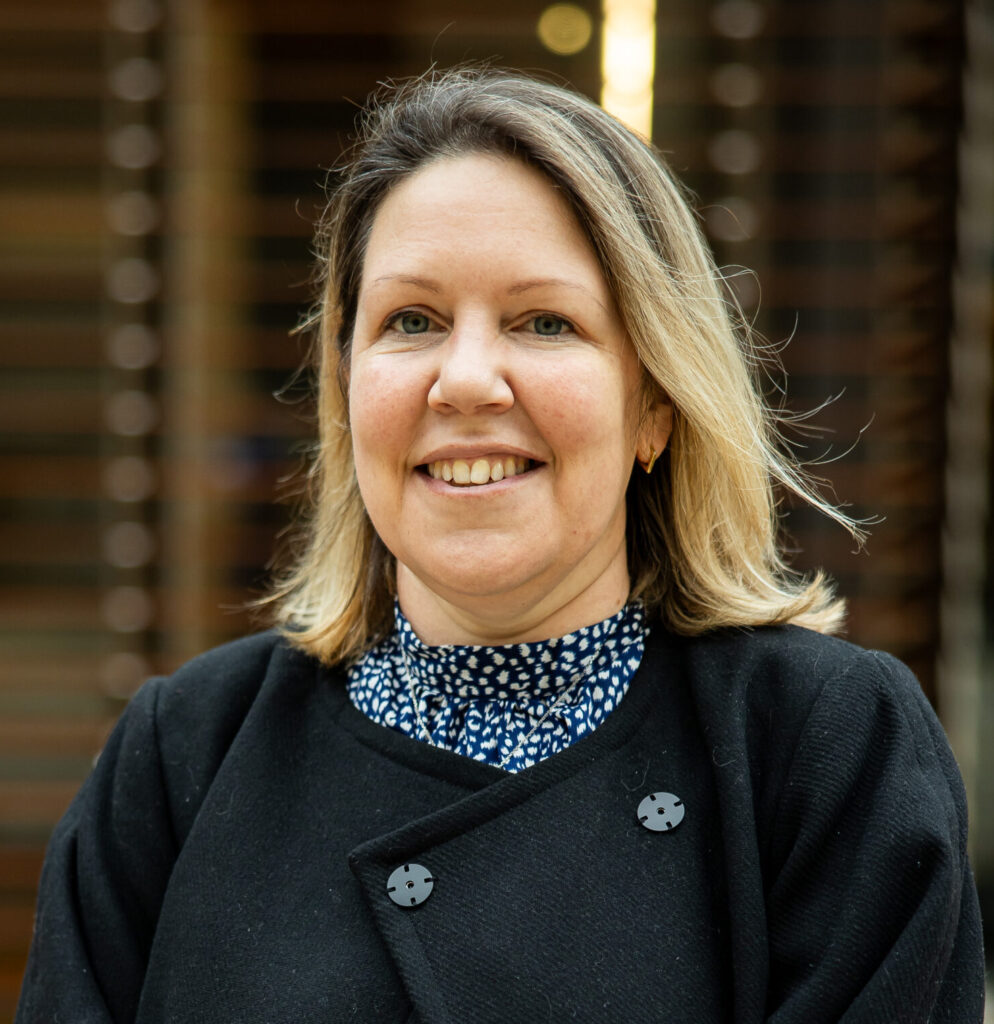
Gabriela says the Foundation’s support has been crucial. “This grant allowed me to bring practice-changing research into my role as a transitional nurse practitioner, helping raise awareness and drive further research to improve outcomes for transplant recipients with diabetes.”
St Vincent’s Clinic Research Foundation acknowledges the Gadigal and Bidjigal peoples of the Eora Nation as the Traditional Custodians of the land on which we stand, and we pay our respects to Elders past, present, and emerging.